Unlocking the Future: How Collaborative Research is Advancing STEM Education and Innovation
Imagine a world where the brightest minds join forces to tackle the biggest challenges in science and technology. This vision is not merely a dream; it’s a vibrant reality fueled by the transformative power of collaboration in STEM education. Picture students, educators, and researchers from diverse institutions working side by side, exchanging insights, and igniting innovation. This is the essence of collaborative research – a methodology that is revolutionizing the academic landscape and pushing the boundaries of what we can achieve together.
At the heart of this movement lies the concept of community. Collaboration breeds a nurturing environment where knowledge can flourish, allowing for dynamic networking opportunities among institutions, nonprofits, and research organizations. By leveraging the resources of various associations like INSA (Indian National Science Academy) and others, we can create a robust framework for engaging in meaningful learning and teaching experiences. How can we harness these connections to enrich our STEM education further?
The journey of collaborative research often begins with a shared purpose. When institutions unite under a common goal, they spark a fiery passion for discovery that transcends individual capabilities. This was exemplified in a recent study highlighted in an online journal, where multiple universities came together to investigate cutting-edge technologies in engineering. Their collective efforts not only led to groundbreaking findings but also fostered a culture of mutual respect and continuous advancement. What can we learn from their approach?
As we explore the potential of collaboration in STEM, we must also turn our attention to the invaluable scholarship it creates. By pooling resources and expertise, institutions can produce high-quality publications that benefit not just the academic community but society as a whole. The knowledge generated from these collaborations can be used to address pressing global issues, driving innovation and technological development that spills over into practical applications. Imagine the impact we could have if every institution embraced this collaborative ethos – the possibilities are truly limitless.
Ultimately, the key to transforming STEM education and innovation together lies in the willingness to engage in ongoing discussions and initiatives with a diverse array of participants. We must ask ourselves: How can we as educators, researchers, and students work together more effectively? Collaboration is more than just a strategic advantage; it’s a mindset that encourages the growth of ideas, nurtures creativity, and leads to sustainable advancement. By investing in partnerships and committing to a culture of collaboration, we are not only enhancing our own learning journeys but also laying the groundwork for a brighter future.
Exploring the Role of Nonprofits in Advancing STEM Through Collaborative Research
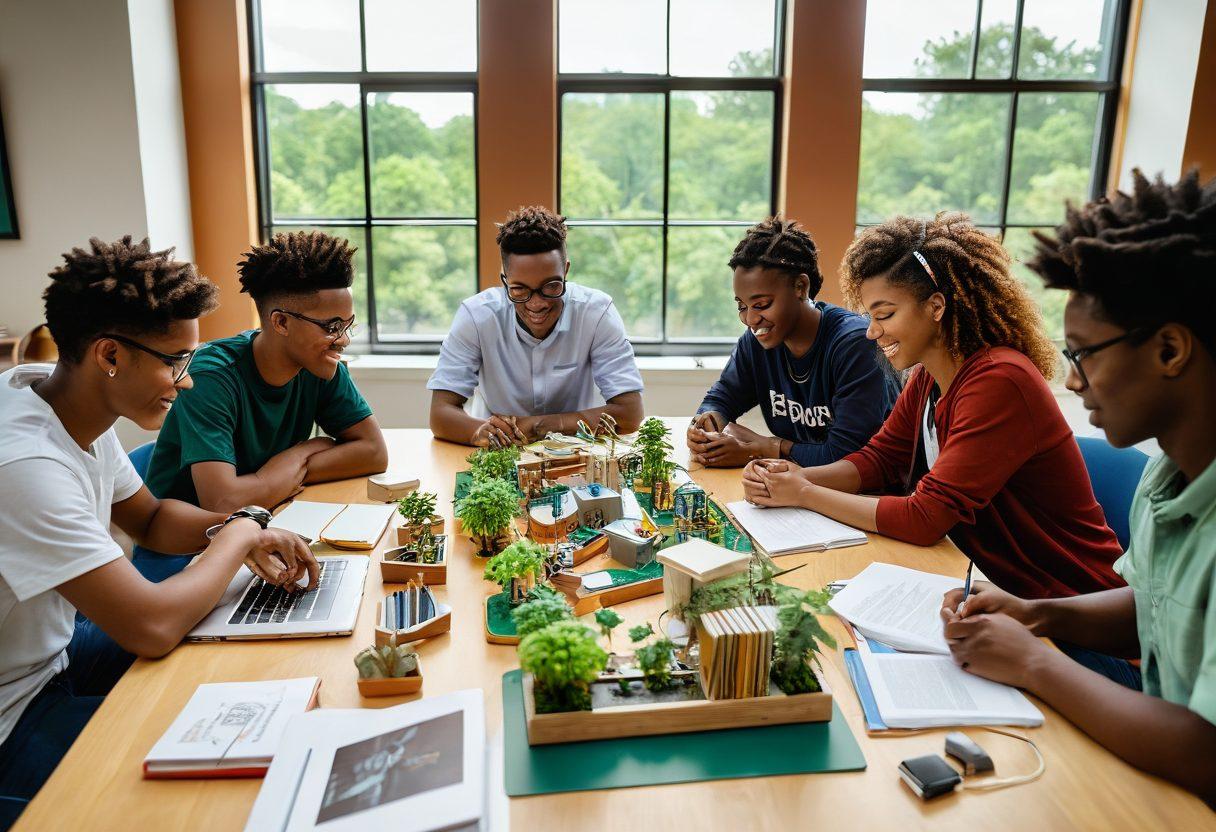
In the rapidly evolving world of STEM—science, technology, engineering, and mathematics—collaborative research is a beacon of hope. It propels education and innovation to new heights, particularly when we consider the significant role of nonprofits in this dynamic interdisciplinary landscape. Picture this: a group of eager minds huddled around a table, diverse backgrounds intertwining to forge novel solutions for pressing societal issues. This isn’t just a daydream; it’s a reality driven by nonprofit organizations dedicated to advancing STEM through collaboration. As we delve into this topic, let’s reflect on how these organizations enable communities to bridge gaps in knowledge and resources to foster a spirit of inquiry and scholarship.
Imagine a nonprofit organization that strengthens the ties between academia and industry, creating a rich ecosystem for scientific research and innovation. Why is this so important? The answer lies in the age-old proverb: "If you want to go fast, go alone. If you want to go far, go together." Collaborative research leads to the exchange of ideas and technologies, enhancing the quality of education and broadening the impact of research investigations. With a focus on advancing STEM, nonprofits play a pivotal role by providing valuable insights derived from joint studies, enabling educational institutions to align their curricula with real-world applications.
Consider the example of the INSA (Indian National Science Academy), an organization that epitomizes the spirit of collaboration. Through its various initiatives, INSA has not only promoted scientific investigation but also nurtured a vibrant community of researchers and educators. Their publications serve as a testament to the power of sharing knowledge, paving the way for inventive learning. As more organizations join forces, the boundaries of academic achievement are pushed further, and students are empowered to pursue STEM careers with confidence and zeal. How does this resonate with your own educational experiences?
Engaging in collaborative research might seem like a lofty endeavor, yet nonprofits provide many resources to facilitate this journey. From networking opportunities to access to cutting-edge technologies, these organizations equip both students and educators with the tools needed for successful project development. Furthermore, the emphasis on team-oriented learning fosters a sense of community, which is essential in a world where innovative solutions are often born from diverse perspectives. This raises a fundamental question: how can we cultivate such collaborative environments in our educational institutions? What steps can be taken to assure that future generations continue to thrive in a supportive research culture?
Nonprofits are the unsung heroes in the quest to advance STEM education and innovation. Through the amalgamation of resources and shared expertise, they stand at the forefront of a movement shaping the future of academic development. Whether it be through outreach programs, workshops, or online journals that disseminate knowledge, these organizations are instrumental in creating pathways for learning and teaching that are essential in today's fast-paced world. So, are you ready to join the movement and harness the power of collaboration to unlock the full potential of STEM education? Let’s embark on this journey together!
Building a Community of Knowledge: How Institutional Partnerships Propel STEM Development
In an era where technology and knowledge evolve with lightning speed, the importance of promoting collaboration through institutional partnerships in STEM education cannot be overstated. The world is at a pivotal point—a point where innovation is paramount, and how we approach learning is foundational to future development. As we embark on this journey to explore how institutions can come together to advance STEM fields, let’s ignite our imaginations with the possibilities of a thriving community of knowledge. What happens when academic organizations, nonprofits, and research bodies unite their resources? Can they unlock a greater reservoir of creativity and research, resulting in unparalleled advancements in education and technology?
Collaboration in STEM isn’t just advantageous; it’s essential. When institutions pool their resources and expertise, they create a vibrant ecosystem where knowledge flows freely. This interconnected network fosters a shared commitment to scholarly pursuits and scientific research. Moreover, it enhances the teaching and learning process. Picture a community of bright minds working on a shared inquiry—scientific investigations that propel not only personal growth but collective advancement. From scholars to educators, everyone stands to benefit from a web of shared insights and resources. How can we harness the power of these partnerships to revolutionize education?
Organizations like INSA (Indian National Science Academy) exemplify how institutions can work together to further STEM development. Through various initiatives, they provide a collaborative platform for scientists, engineers, and educators to share their findings and experiences. As they publish valuable research and publications, they continually contribute to an evolving narrative in the scientific community. This process is a representation of how institutional partnerships create spaces that honor learning and teaching, stimulating creativity and driving innovation in a world that’s constantly changing. Aren’t we all curious about the insights these collaborations can yield?
The beauty of networking through partnerships is not just in disseminating knowledge, but in inspiring action. By forming alliances, organizations can develop scholarships that empower aspiring engineers, scientists, and technologists. These academic opportunities not only expand educational access but also ensure that the doors to innovation remain open for future generations. Just imagine a scenario where students from diverse backgrounds come together to tackle real-world problems—what kind of groundbreaking solutions could they design?
In addition to immediate educational benefits, the long-term impact of these institutional collaborations can lead to sustainable development in the STEM fields. Enabling a shared vision creates a robust foundation for continual learning, impactful research, and lasting community growth. As we commit to building partnerships, we must ask ourselves: how can we cultivate a culture of collaboration that will inspire the next wave of STEM pioneers? By prioritizing the interconnectivity of institutions, we pave the way for advancements that will echo through generations and encourage a world of problem-solvers, innovators, and thinkers. Let’s foster this community of knowledge together, through collaboration, innovation, and dedication—even in this digital age, the potential for great change remains at our fingertips.